
Attention-Deficit/Hyperactivity Disorder (ADHD) is one of the most prevalent neurodevelopmental conditions worldwide, affecting a substantial portion of the population across all age groups. In the United States alone, approximately 1 in 9 children (11.4%) have been diagnosed with ADHD, representing over 7 million individuals, according to data from the Centers for Disease Control and Prevention [1]. Millions of adults continue to experience persistent symptoms, reflecting the long term neurophysiological nature of this condition.
ADHD is characterized by dysregulation in key neural networks responsible for attention, executive function, and behavioral inhibition. At the biological level, this involves altered dopaminergic and noradrenergic neurotransmission, particularly within the prefrontal cortex, where deficits in synaptic signaling impair working memory, decision making, and impulse control. These neurochemical imbalances are often accompanied by abnormal cortical oscillatory activity, including elevated theta wave dominance and reduced beta wave activity, contributing to decreased cognitive processing speed and sustained attention capacity. Furthermore, studies have demonstrated reduced cerebral blood flow and mitochondrial inefficiency, leading to suboptimal adenosine triphosphate (ATP) production and increased oxidative stress within neuronal tissue.
Conventional approaches, including stimulant based pharmacological strategies, primarily aim to modulate neurotransmitter availability; however, they may not address the broader bioelectrical and metabolic dysfunctions underlying ADHD. As a result, there is growing interest in advanced, non invasive modalities that can support brain function at a systems level. Pulsed Electromagnetic Field (PEMF) Therapy has emerged as a promising neuromodulation approach that interacts directly with the body’s electromagnetic signaling networks, influencing cellular electrophysiology, ion channel activity, and neurovascular dynamics.
By delivering controlled electromagnetic pulses, PEMF Therapy has the potential to enhance neuronal membrane polarization, optimize calcium ion exchange, and support mitochondrial bioenergetics, all of which are critical for efficient synaptic transmission and cognitive performance.
PEMF Therapy: A Bioelectromagnetic Approach to Cognitive Support
Pulsed Electromagnetic Field (PEMF) Therapy is a non invasive modality that delivers controlled electromagnetic pulses to the body to support cellular function, neural communication, and overall physiological balance. At its core, PEMF Therapy interacts with the body’s intrinsic bioelectrical systems, which govern processes ranging from neuronal signaling to cellular metabolism. Because the brain itself operates through finely tuned electrical impulses, this therapy offers a unique way to influence neurological function at a foundational level.
From a physiological standpoint, PEMF Therapy works by generating time varying magnetic fields that induce microcurrents within biological tissues through electromagnetic induction. These microcurrents interact with cellular membranes, helping to restore optimal transmembrane potential, a critical factor in maintaining efficient ion exchange. This process directly influences voltage gated ion channels, particularly those regulating calcium (Ca²⁺), sodium (Na⁺), and potassium (K⁺), which are essential for neuronal excitability, synaptic transmission, and network level communication within the brain.
For individuals with ADHD, where dysregulation of neural signaling and cortical activity is a central factor, this bioelectrical support becomes especially relevant. By promoting more stable ion flow and improving membrane polarization, this therapy may contribute to enhanced signal fidelity between neurons, supporting improved attention, processing speed, and executive function. Additionally, PEMF Therapy has been shown to influence neurovascular dynamics, promoting vasodilation and improved microcirculation, which can enhance oxygen and nutrient delivery to metabolically active brain regions such as the prefrontal cortex.
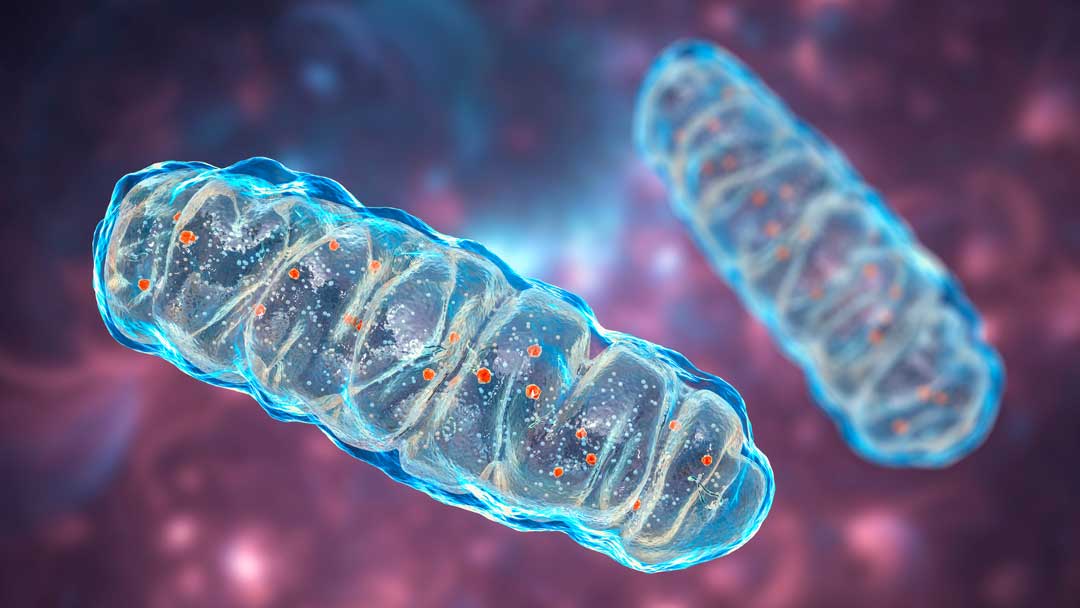
Another critical aspect of PEMF Therapy lies in its effect on mitochondrial function and cellular bioenergetics. By stimulating mitochondrial activity, PEMF can support increased production of adenosine triphosphate (ATP), the primary energy currency of the cell. In the context of ADHD, where neuronal energy deficits and metabolic inefficiencies are often observed, this increase in ATP availability can support more efficient synaptic activity and cognitive endurance. At the same time, PEMF Therapy may help modulate oxidative stress and reduce the accumulation of reactive oxygen species (ROS), contributing to a more stable and neuroprotective cellular environment.
This kind of therapy is defined by several key technical parameters, including frequency (measured in Hertz), magnetic field intensity (measured in Gauss or Tesla), and slew rate, which describes how rapidly the magnetic field changes over time. These variables allow for precise modulation of biological responses, making PEMF a highly adaptable modality for supporting different physiological systems, including those involved in cognitive regulation.
In the context of ADHD, this kind of therapy represents a forward thinking approach that aligns with the body’s natural electrical and metabolic processes. By supporting neuronal communication, enhancing cellular energy production, and promoting a more balanced neurophysiological environment, it offers a compelling, clinically validated option for individuals seeking to optimize focus, clarity, and cognitive performance.

How PEMF Therapy Supports Brain Function
Pulsed Electromagnetic Field (PEMF) Therapy interacts with the brain through a series of well established bioelectrical and biochemical mechanisms that influence neuronal activity, cellular metabolism, and network level communication. Because the brain relies on precise electrical signaling and energy availability to regulate attention, behavior, and executive function, PEMF Therapy offers a targeted way to support these processes at their physiological foundation.
Cellular Electrophysiology and Membrane Potential Regulation
At the cellular level, PEMF Therapy induces low level electrical currents within tissues through electromagnetic induction, directly influencing the transmembrane potential of neurons. Healthy cells maintain a negative membrane potential that is essential for proper ion exchange and signal transmission. In individuals with ADHD, disruptions in this electrical gradient can impair neuronal communication.
This therapy helps restore this balance by modulating voltage gated ion channels, particularly those controlling calcium (Ca²⁺), sodium (Na⁺), and potassium (K⁺) flux. This improved ion transport enhances neuronal depolarization and repolarization cycles, supporting more efficient synaptic signaling. As a result, communication between neural networks, especially in areas responsible for attention and impulse control, becomes more stable and coordinated. To further understand how electromagnetic stimulation supports cellular function and overall wellness, explore our article on PEMF Therapy and cellular health.
Mitochondrial Activation and ATP Production
Neurons are highly energy dependent cells, requiring a constant supply of adenosine triphosphate (ATP) to sustain synaptic transmission and cognitive processing. PEMF Therapy has been shown to stimulate mitochondrial respiration by enhancing the activity of the electron transport chain, leading to increased ATP synthesis.
For individuals with ADHD, where mitochondrial inefficiency and reduced metabolic activity may contribute to cognitive fatigue and decreased focus, this bioenergetic support is particularly valuable. By improving cellular energy availability, this therapy helps sustain neurotransmission, synaptic plasticity, and overall cognitive endurance, all of which are essential for maintaining attention and mental clarity.
Neurotransmitter Modulation and Synaptic Function
PEMF Therapy also plays a role in regulating neurotransmitter dynamics, particularly those involved in attention and executive function, such as dopamine and serotonin. Through its influence on neuronal excitability and intracellular signaling pathways, PEMF may support more balanced dopaminergic and serotonergic activity.
This modulation contributes to improved synaptic efficiency and neuroplasticity, allowing the brain to adapt more effectively to cognitive demands. In the context of ADHD, where dopamine dysregulation is a central factor, this mechanism may help support motivation, reward processing, and sustained focus.
Reduction of Neuroinflammation and Oxidative Stress
Chronic low grade neuroinflammation and elevated reactive oxygen species (ROS) are increasingly recognized as contributing factors in cognitive dysfunction. PEMF Therapy has demonstrated the ability to downregulate pro inflammatory cytokines such as TNF-α, IL-1β, and IL-6, while also supporting antioxidant defense systems.
By reducing oxidative stress and inflammatory signaling, PEMF helps create a more neuroprotective environment, allowing neurons to function more efficiently. This is particularly relevant for ADHD, where inflammation related disruptions may further impair neural communication and cognitive performance.
Brain Wave Regulation and Neural Synchronization
Another important mechanism involves the influence of this kind of therapy on brain wave activity and cortical oscillations. ADHD is often associated with an imbalance in neural rhythms, which correlates with decreased attention and increased distractibility.
PEMF Therapy may help promote neural entrainment and synchronization, supporting a shift toward more optimal brain wave patterns associated with alertness, focus, and cognitive stability. This improved coherence across neural networks can enhance information processing and executive control.
Enhanced Cerebral Blood Flow and Oxygenation
Efficient brain function depends on adequate cerebral perfusion and oxygen delivery. PEMF Therapy has been shown to promote vasodilation and microcirculatory enhancement, increasing blood flow to key regions such as the prefrontal cortex.
This improved circulation supports the delivery of oxygen and essential nutrients while facilitating the removal of metabolic waste. For individuals with ADHD, where hypoperfusion in attention related brain regions is often observed, enhanced blood flow can contribute to better cognitive performance, focus, and mental clarity. To experience these benefits firsthand, explore our advanced PEMF systems designed to deliver precise, clinically informed electromagnetic support for optimal cognitive and neurological performance.
Clinical Studies and Scientific Evidence Supporting PEMF for ADHD
While research specifically targeting ADHD continues to evolve, a growing body of scientific literature highlights the effects of Pulsed Electromagnetic Field (PEMF) Therapy on key physiological pathways directly related with attention, neural regulation, and cognitive performance. These studies provide valuable insight into how PEMF Therapy supports brain function at the cellular and systems level.
One of the most compelling areas of research involves mitochondrial function and cellular energy metabolism, both of which are critical for neuronal activity. In a study titled Interaction of pulsed low frequency electromagnetic field (PEMF) with mitochondria, researchers reported, “Our findings show that PEMF selectively stimulates respiration linked to ATP-synthesis affecting less uncoupled respiration.” [2] This finding is particularly relevant for ADHD, where reduced mitochondrial efficiency and ATP availability can impair synaptic transmission and cognitive endurance. By enhancing oxidative phosphorylation, PEMF Therapy supports the energy demands required for sustained focus and executive function.
In addition to bioenergetics, PEMF Therapy has demonstrated significant influence on neuroinflammatory pathways, which are increasingly recognized as contributors to cognitive dysfunction. A study titled Pulsed Electromagnetic Fields Protect Against Brain Ischemia by Modulating the Astrocytic Cholinergic Anti-inflammatory Pathway found that, “These results demonstrate that PEMF exerts anti-inflammatory effects in the context of brain ischemia by modulating astrocytic α7nAChR/STAT3 signaling.” [3] This mechanism highlights PEMF’s ability to regulate astrocyte-mediated inflammatory responses, supporting a more stable neural environment and protecting neuronal integrity, both of which are essential for attention and cognitive clarity.
Further supporting this anti-inflammatory and neuroprotective role, research on neuronal and microglial cells has shown that PEMF Therapy can influence the cellular redox balance. In the study Effect of Low-Frequency, Low-Energy Pulsed Electromagnetic Fields in Neuronal and Microglial Cells Injured with Amyloid-Beta, investigators noted, “Overall, these findings imply that PEMFs influence the redox state of the cells by significantly boosting antioxidant levels in both injured microglia and neuronal in vitro cells mimicking in vitro AD.” [4] By increasing antioxidant activity and reducing oxidative stress, PEMF Therapy helps preserve neuronal function and supports more efficient signaling across neural networks.
Beyond neurological applications, PEMF research in broader inflammatory conditions further reinforces its systemic benefits. In the study In Vitro Validation of Pulsed Electromagnetic Field (PEMF) as an Effective Countermeasure Against Inflammatory-Mediated Intervertebral Disc Degeneration, researchers concluded, “These results represent an impactful novelty for the management of people suffering from LPB, in terms of symptom relief and reduction of social‐health system burden.” [5] While focused on musculoskeletal inflammation, these findings underscore PEMF’s capacity to modulate inflammatory cascades, a mechanism that translates across multiple biological systems, including the central nervous system.

PEMF Therapy represents a forward thinking approach to supporting individuals with ADHD by addressing the condition at its physiological core. Rather than focusing solely on surface level symptoms, this modality interacts directly with the body’s bioelectrical and biochemical systems, helping to optimize the foundational processes that govern attention, behavior, and cognitive function. Through its influence on neuronal membrane potential, ion channel regulation, and synaptic signaling, PEMF Therapy supports more efficient communication within the brain’s complex neural networks.
One of the most significant advantages of PEMF Therapy lies in its ability to enhance mitochondrial function and ATP production, providing neurons with the energy required for sustained focus, processing speed, and executive function. At the same time, its role in modulating dopaminergic activity, reducing neuroinflammation, and improving cerebral blood flow contributes to a more balanced and resilient neurological environment. These combined effects are particularly relevant for ADHD, where dysregulation in neurotransmission, energy metabolism, and cortical activity often intersect.
By supporting neuroplasticity, neural synchronization, and microcirculatory efficiency, this therapy helps create the conditions necessary for improved cognitive clarity, emotional regulation, and mental endurance. This systems level influence positions PEMF not just as a supportive modality, but as a tool for enhancing the body’s natural capacity to regulate and optimize brain function.
References
[1] Data and statistics on ADHD. (2024, November 19). Attention-Deficit / Hyperactivity Disorder (ADHD). https://www.cdc.gov/adhd/data/
[2] Zavadskis S, Gasser AS, Karas M, Kostrebic S, Flatscher J, Vaglio-Garro A, Dungel P, Redl H, Grillari J, Weidinger A, Slezak P, Kozlov AV. Interaction of pulsed low frequency electromagnetic field (PEMF) with mitochondria. Sci Rep. 2026 Jan 30;16(1):6681. doi: 10.1038/s41598-026-37527-6. PMID: 41618092; PMCID: PMC12914018.
[3] Zhang H, Yang Y, Yang E, Tian Z, Huang Y, Zhang Z, Bao M, Liao D, Ge J, Wang C, Li X, Luo P. Pulsed Electromagnetic Fields Protect Against Brain Ischemia by Modulating the Astrocytic Cholinergic Anti-inflammatory Pathway. Cell Mol Neurobiol. 2023 Apr;43(3):1301-1317. doi: 10.1007/s10571-022-01251-2. Epub 2022 Jul 13. PMID: 35831547; PMCID: PMC11414443.
[4] Merighi S, Nigro M, Travagli A, Fernandez M, Vincenzi F, Varani K, Pasquini S, Borea PA, Salati S, Cadossi R, Gessi S. Effect of Low-Frequency, Low-Energy Pulsed Electromagnetic Fields in Neuronal and Microglial Cells Injured with Amyloid-Beta. Int J Mol Sci. 2024 Nov 29;25(23):12847. doi: 10.3390/ijms252312847. PMID: 39684558; PMCID: PMC11641689.
[5] Guarnaccia L, Begani L, Pileggi S, Pluderi M, Borsa S, Fanizzi C, Rizzaro MD, Fiore G, Fontana L, Campanella R, Cordiglieri C, Gaudino C, Alotta GA, Miozzo M, Garzia E, Barilla E, Fassina L, Riboni L, Locatelli M, Marfia G, Navone SE. In Vitro Validation of Pulsed Electromagnetic Field (PEMF) as an Effective Countermeasure Against Inflammatory-Mediated Intervertebral Disc Degeneration. JOR Spine. 2025 May 19;8(2):e70077. doi: 10.1002/jsp2.70077. PMID: 40391205; PMCID: PMC12086804.